
It’s been a minute since I’ve written about a real-life experience in the rental property business.
One thing I’ve learned from owning rental properties is that problems will inevitably come up that you simply didn’t see coming. Some are unavoidable. Others happen because a tenant misunderstands an expectation. And occasionally, you have a situation where you clearly communicated what you wanted—and the tenant did it anyway.
That last one can be particularly frustrating.
A Tenant Painted the Entire House
A tenant of mine decided he was going to move out. Naturally, he was concerned about getting his entire security deposit back, which is completely understandable.
During our conversation about the move-out, he sent me a text saying:
“…I patched all the holes with stuff…I bought some paint…”
I responded:
“Don’t paint anything yet as I’ll need to get the exact match.”
Pretty clear, right?
Apparently not.
When I arrived for the final walkthrough, I discovered that the tenant had partially painted nearly every wall in the entire 1,700-square-foot townhouse.
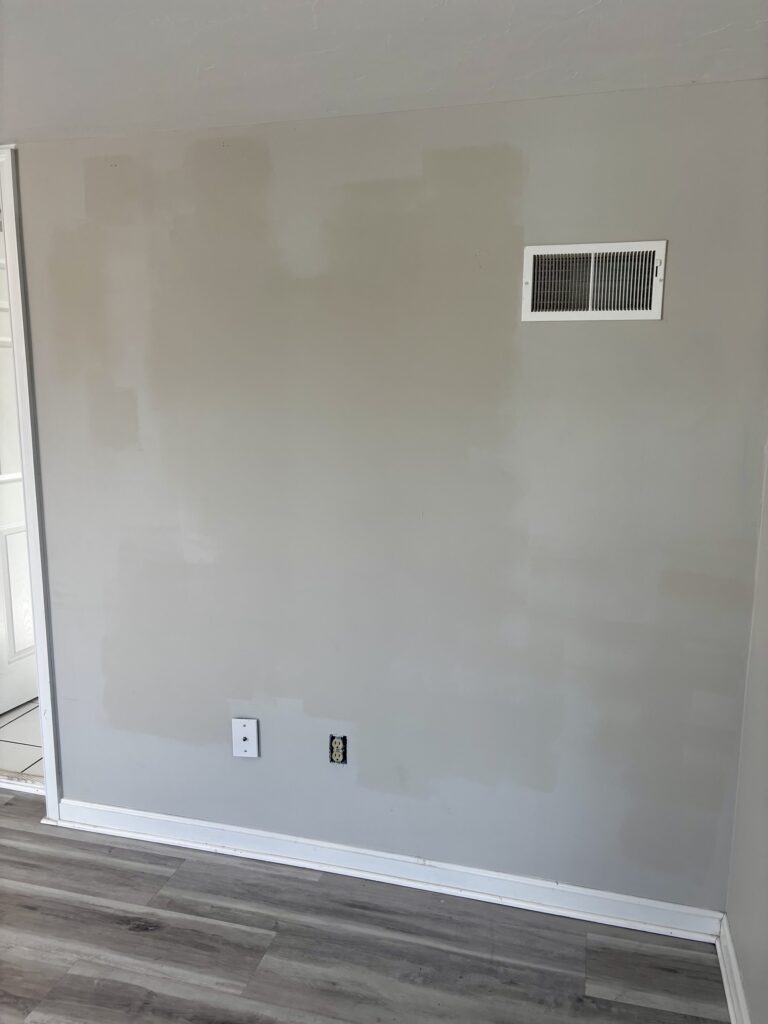
With a roller.
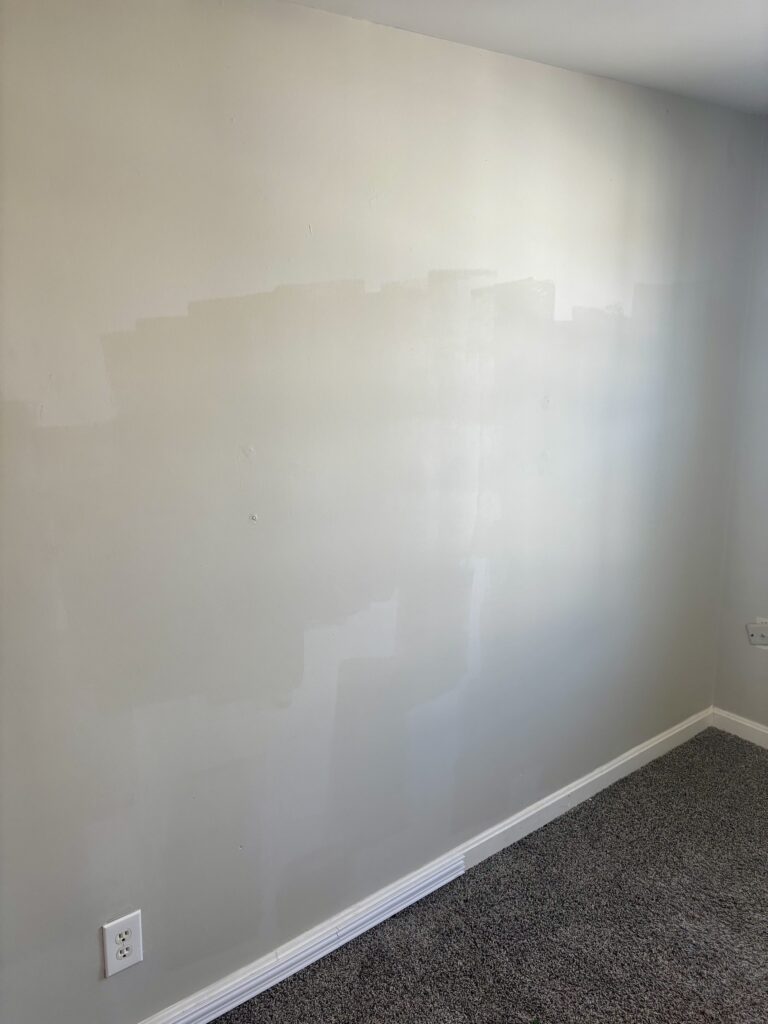
And with the wrong color.
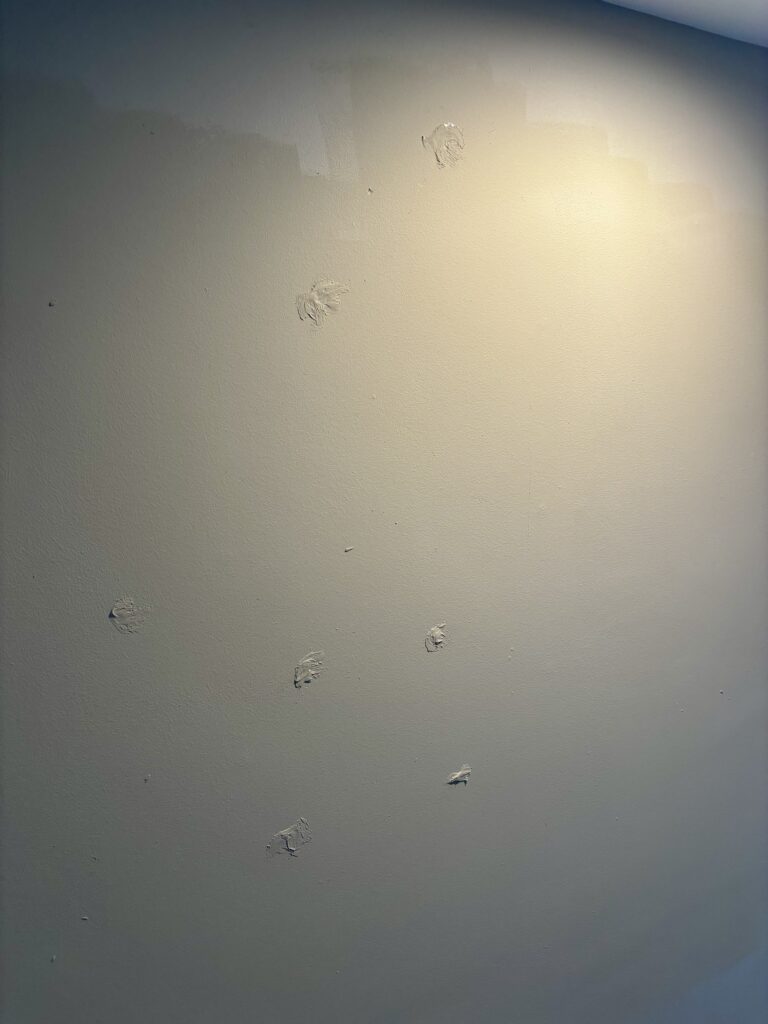
The patchwork wasn’t exactly professional, either. The spackle had been applied to the walls but hadn’t been smoothed out before the paint was rolled over it, leaving the walls visibly uneven. So this wasn’t simply a matter of repainting the walls a different color—we would also have to address the poor patchwork underneath.
The property had been completely painted just three years earlier, at a cost of approximately $4,000.
During the walkthrough, I explained that we had recently painted the entire property and that, because the walls had now been painted the wrong color, we would have to repaint them again. I told him I would be asking him to cover the cost of the new paint job.
Later, he sent me a text:
“I do not agree with being charged for the painting. We lived there for 18 months. Most landlords repaint after every tenant so there is new paint on the walls.”
Needless to say, I disagreed.
And painting wasn’t the only issue. The tenant also damaged the landscaping, modified a storm door to install a dog door (without asking for permission), damaged LVP flooring, had a dog rip carpet off the stairs, failed to provide the required notice to terminate the lease, shut off utilities before the lease ended, and left the property unclean.
But the painting is what really stuck with me because it illustrated an important lesson about managing rental properties.
The Lease Was Clear. It Still Happened.
The lease already addressed this issue.
In fact, our lease specifically stated:
“Tenant will not make changes to the property, such as painting or remodeling.”
So this wasn’t a situation where the tenant could reasonably say, “I didn’t know I wasn’t supposed to paint.”
The expectation was in the lease.
I had also told him directly not to paint.
And yet, he painted throughout the entire house…
That got me thinking about how we communicate expectations with tenants.
It’s easy to assume that if something is included in the lease, the tenant will remember it when the lease ends. But a lease might be signed 12, 18, or even 24 months before the tenant moves out.
While having the expectation in the lease is important, it shouldn’t be the end of the conversation.
Don’t Just Create Rules. Create a Process.
If there’s something that could create a significant expense or headache at move-out, it’s worth communicating that expectation more than once.
Consider sending a move-out reminder 30–60 days before the lease ends. Or if tenants are leaving without proper notice, send the reminder ASAP once you learn they’re leaving. It could be a simple one-page document outlining your expectations:
-
- Do not paint or make repairs without prior approval.
- Do not remove fixtures, hardware, or other items from the property.
- Remove all personal belongings and trash.
- Clean the property according to the agreed-upon expectations.
- Keep utilities on through the end of the lease.
- Follow the required notice and move-out procedures.
- Return all keys, remotes, garage door openers, and other property.
- Contact the landlord if you’re unsure whether something needs to be repaired or changed.
And for the items that could result in a significant expense, be explicit.
Rather than saying, “Please leave the walls in good condition.”
Say:
“Do not paint any walls or other surfaces in the property. If you believe something needs to be painted or repaired, contact us first. Do not make the repair yourself.”
You can even ask the tenant to confirm that they understand.
It may feel excessive, but if a $4,000 paint job is at stake, spending an extra minute making sure there is no misunderstanding seems worthwhile.
Documentation Still Matters
The lesson isn’t that leases don’t matter because my tenant ignored the lease.
The lease provision was still important. It clearly documented the expectation and provided something to point back to when the issue arose.
The lesson is that documentation shouldn’t be the end of the process. It should be part of the process.
Think of it as three layers:
1. Set the expectation.
Tell the tenant what you expect before they move in.
2. Put it in writing.
Include important expectations in the lease or a separate addendum.
3. Remind them when it matters.
As move-out approaches, provide clear instructions and specifically call attention to anything that could result in significant damage or expense.
That third step is easy to overlook. Don’t assume the tenant will remember something simply because it appears in a lease they signed a year and a half ago.
A Few Other Things That Can Help
Take plenty of pictures before a tenant moves in. Detailed photos give you something to compare against when the tenant moves out.
Be reasonable about normal wear and tear.
Personally, I’m very flexible about this. I tell tenants to simply be reasonable about the number of things they hang on the walls, and I don’t expect them to spend time patching holes when they move out. I’ll take care of those things myself and at no cost.
I also personally clean our rental properties before a new tenant moves in, so I know exactly what condition the property was in when the tenant received it.
And make it easy for the tenant to ask questions. If they’re unsure whether they should fix something, remove something, paint something, or make some other change, you’d much rather have them contact you first.
The Takeaway
You can’t completely eliminate problems with rental properties. But you can make them less likely.
Set your expectations clearly. Put important requirements in writing. Take detailed pictures. And as the lease approaches its end, communicate those expectations again.
Most importantly, be specific about the things that matter.
“Leave the property in good condition” can mean different things to different people.
“Do not paint anything” is pretty hard to misunderstand.
The lease is important. But don’t rely on the lease alone.
Don’t just create rules. Create a process for following them.
Thanks for reading this week’s Experience, and best of luck in your real estate investing journey!
-BROCK