
Some of the biggest risks in real estate aren’t the ones you miss—they’re the ones you see, but assume will never happen.
A few years ago, we purchased an oceanfront condo in Myrtle Beach, South Carolina. I had been watching that market for about two years—it showed strong appreciation and solid short-term rental potential. The plan was straightforward: renovate the unit, hire a property manager, and operate it as a vacation rental.
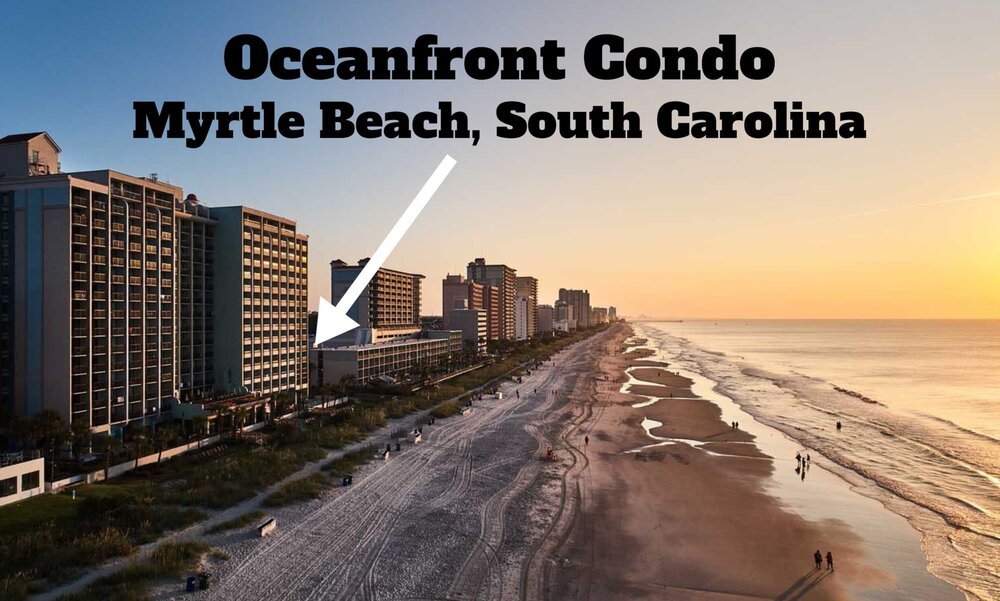
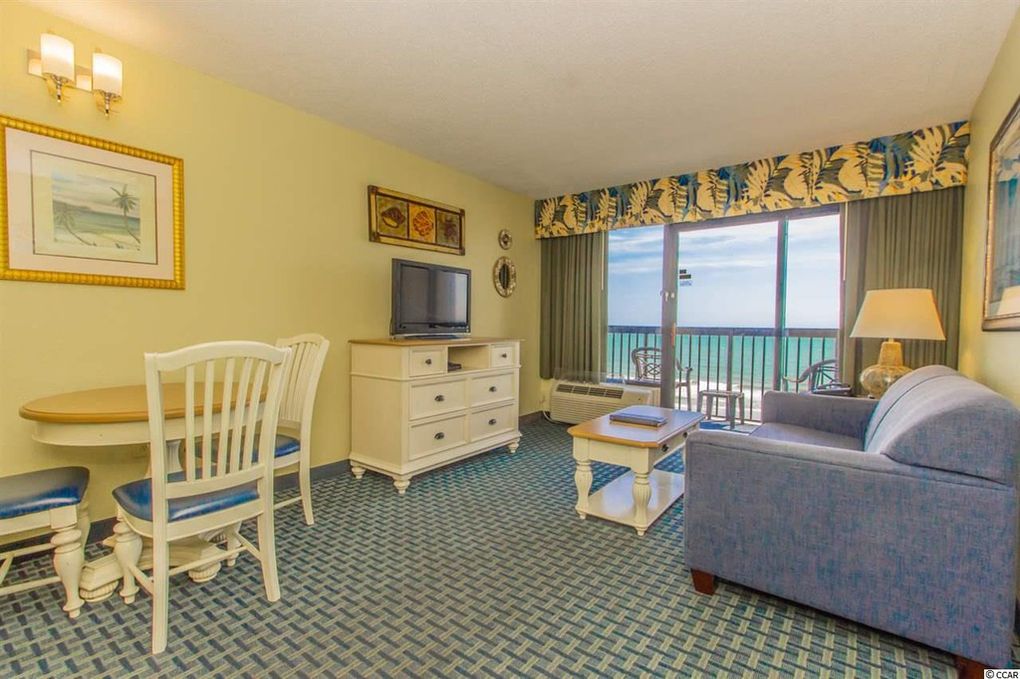
The condo at time of purchase – before renovations.

After renovations – rent ready!
The condo was part of a large “condotel” complex with multiple pools, restaurants, a coffee shop, arcade, lazy river, and more. Amenities were a major part of its appeal—and a key driver of guest demand.
The on-site property management option came with a 45% fee—nearly half of every rental dollar. Beyond the cost, there were other drawbacks. Units were placed into a large shared pool and booked on a rotational basis, limiting control over marketing and performance. From what I could tell, similar units weren’t maximizing their revenue.
Instead, we chose a smaller, off-site property management company that charged 20% and allowed for more control.
During due diligence, one detail stood out: the amenities weren’t owned by the condo association or unit owners—they were owned by a third-party company tied to the on-site property management.
Which meant… access to those amenities was never fully guaranteed.
In theory, they could be restricted or removed.
At the time, that risk felt unlikely. Restricting access would reduce the property’s appeal, hurt rental performance, and impact values across the complex. It didn’t seem like a practical outcome.
So we moved forward.
After the purchase, we renovated the unit and launched it as a short-term rental. It performed well, and the property became more than just an investment—our family and friends were able to enjoy it, creating experiences that went beyond the numbers.
Then things changed
About a year into ownership, a new policy was introduced: owners who did not use the on-site property management would lose access to the amenities.
That shifted the economics of the deal almost overnight. What was once a strong-performing asset became a much tighter, more constrained investment.
Owners like me were effectively forced into a decision—either accept significantly higher management costs or operate a less competitive rental without amenities. Either option impacted returns.
At that point, the path forward was clear.
We decided to sell.
While that wasn’t the original plan, the market was still strong, and we were able to exit with a solid profit. In the end, the deal still worked—but not in the way we initially expected.
The Takeaway
Real estate due diligence isn’t just about identifying risks—it’s about taking them seriously, even when they seem unlikely.
If a risk exists on paper, it exists in real life—whether it feels likely or not.
The goal isn’t to predict every outcome perfectly. It’s to understand where your risks are and make sure you’re positioned to respond when things change.
Because in real estate, you won’t avoid every curveball.
But you can make sure you’re still in the game when one comes your way.
Thanks for reading this week’s Experience, and best of luck in your real estate investing journey!
-BROCK